This house was built in 1867 and was about to collapse - and then one man came along and brought it back to life
|









There is something truly special about renovating and restoring old homes. Structures built over a century ago carry character, history, and architectural details that are almost impossible to replicate in modern construction.
However, bringing a historic home back to life while preserving its original beauty and style is an extraordinarily complex task. It typically requires substantial financial investment, a massive amount of time, and, above all, someone who knows precisely what they are doing.
It is remarkably easy for such a project to go wrong. A poorly executed renovation can completely erase a home's character—replacing authentic details with modern elements or turning a historic landmark into a generic new build with virtually no trace of its past.
That is why, when a restoration is executed properly, the result can be truly breathtaking.
This is precisely the story of a grand, impressive residence built in 1867 in York, Pennsylvania. For years, it sat abandoned, deteriorating to the point where its days appeared to be numbered.
Until someone saw its potential and decided it was still worth saving.

A Grand Home Turned to Ruins
It is difficult to imagine what the house looked like during its golden era.
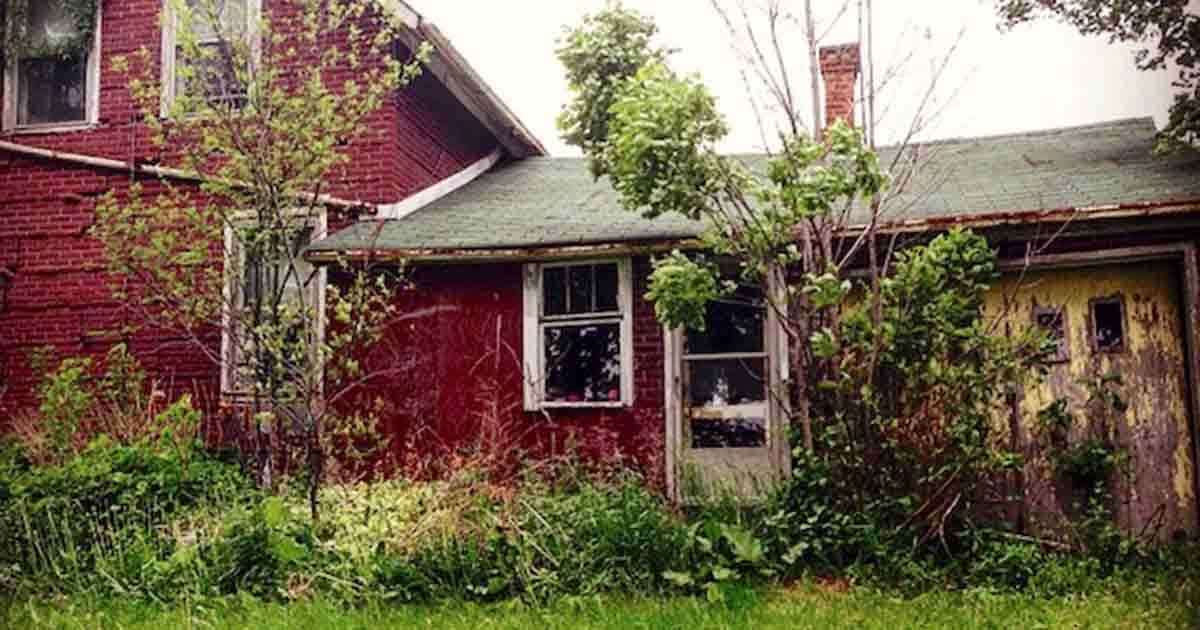
A large and imposing Victorian structure, the home suffered as decades of neglect and vacancy took their toll.
The façade faded.
The paint peeled away.
Sections of the building appeared structurally compromised.
The entire property seemed destined to join the ranks of neglected historic buildings eventually demolished out of necessity.
Over the years, several families considered buying the property. However, it is easy to understand why most walked away.
This was not a house where a buyer could simply move in, paint a few walls, and update the kitchen. Purchasing the property meant taking on a monumental restoration effort. The required labor, time, and financial resources were enough to deter almost any prospective buyer.

Seeing Potential Where Others Saw Ruins
Where others saw a dilapidated ruin, one individual recognized what the house could become.
He purchased the property and embarked on an ambitious, long-term restoration process. Instead of erasing the building's history in favor of total modernization, every effort was made to preserve its original architectural character while updating its infrastructure for comfortable modern living.
Comparing the finished restoration to the pre-renovation condition reveals an almost unrecognizable transformation. The structure that once looked ready to collapse has been restored to a magnificent residence.

The Exterior Transformation Is Just the Beginning
Before-and-after photographs of the exterior highlight the drastic nature of the renovation. The once gray, neglected, and lifeless structure regained the vibrant colors, intricate details, and commanding presence it was always meant to possess.
However, the true extent of the transformation becomes clear upon stepping inside.
Prior to the restoration, the house was entirely uninhabitable. Most observers looking at its condition would have assumed there was no practical way to make it livable again. Yet, following the extensive work, the interior now resembles a set piece from a high-budget period drama.

Intricate Hardwood Floors and Stained Glass
Among the most remarkable features of the home is its exceptional woodwork. The flooring reportedly features an intricate design composed of five distinct species of wood. The interplay between the different wood grains and tones highlights the craftsmanship characteristic of luxury homes built in the late 19th century.
The windows also contribute significantly to the interior atmosphere. Select windows incorporate original stained-glass panels that cast multicolored light across the rooms when illuminated by sunlight. The custom woodwork, restored windows, historical doors, and decorative moldings lend the space an authenticity that modern construction rarely achieves.

Distinctive Style Across the Second Floor
The second level houses five spacious bedrooms. Rather than applying a uniform design scheme throughout, each bedroom was given its own distinct character and styling.
Navigating from one room to another feels almost like stepping through different eras and aesthetic styles, all while maintaining the cohesive historical atmosphere of the home.
This meticulous attention to detail extends throughout the entire residence. Antique wooden furnishings, period-appropriate decorative accents, stained-glass elements, and restored architectural features come together to revive the opulent ambiance the house possessed when it was constructed in 1867.

The Historic Hench House Revived
A comparison between historic photographs and the completed restoration illustrates how close this structure came to being lost permanently.
At one point, it was an abandoned shell that passersby assumed would inevitably face demolition. Instead, a visionary owner looked past the crumbling walls, recognized its intrinsic value, and invested the necessary resources to save it.
Following an immense investment of labor, time, and capital, the structure—famously known as the Hench House in York, Pennsylvania—was fully restored without losing the historical character that made it unique. Following its comprehensive restoration, the property even operated for a period as a boutique bed and breakfast.

Today, looking at photographs of the restored Hench House, it is difficult to believe it was ever considered beyond saving.
In this case, a historic structure on the brink of total destruction was granted a second life—and the final result speaks for itself.
What do you think about the renovation? Would you believe that it would be possible to turn the abandoned house in the pictures into a home that looks like this today?