Have you ever wanted or tried to scream or move in your sleep but couldn't? this is the terrifying reason why
|









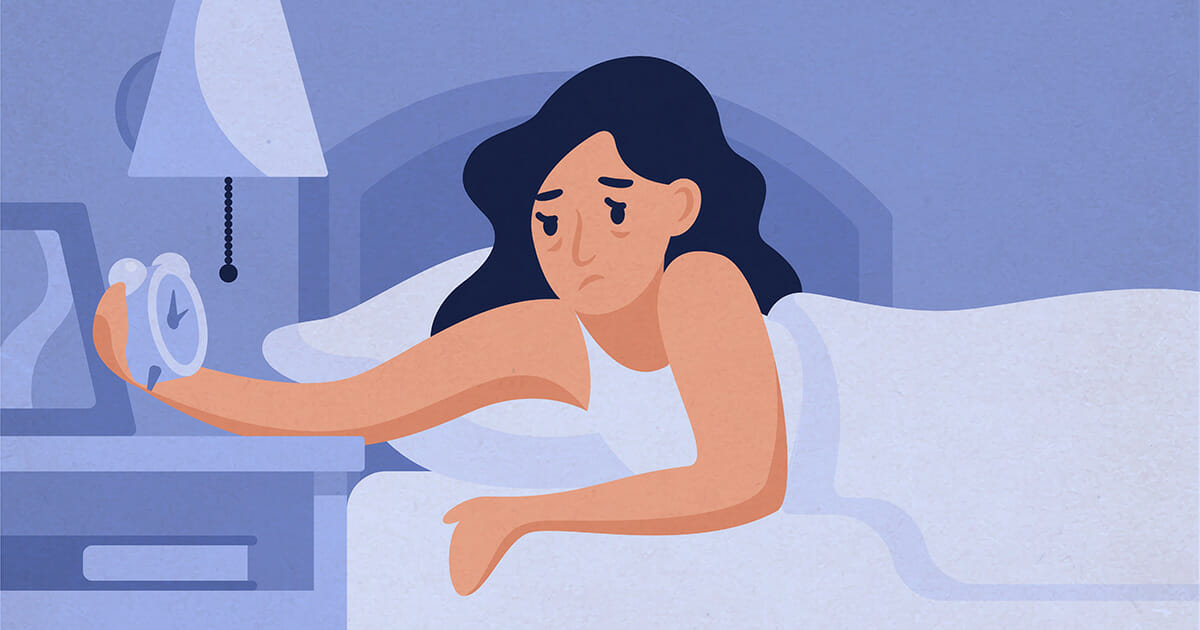
Imagine waking up in the middle of the night. You can see your room, hear what is happening around you, and even understand that you are fully awake—but your body simply refuses to respond.
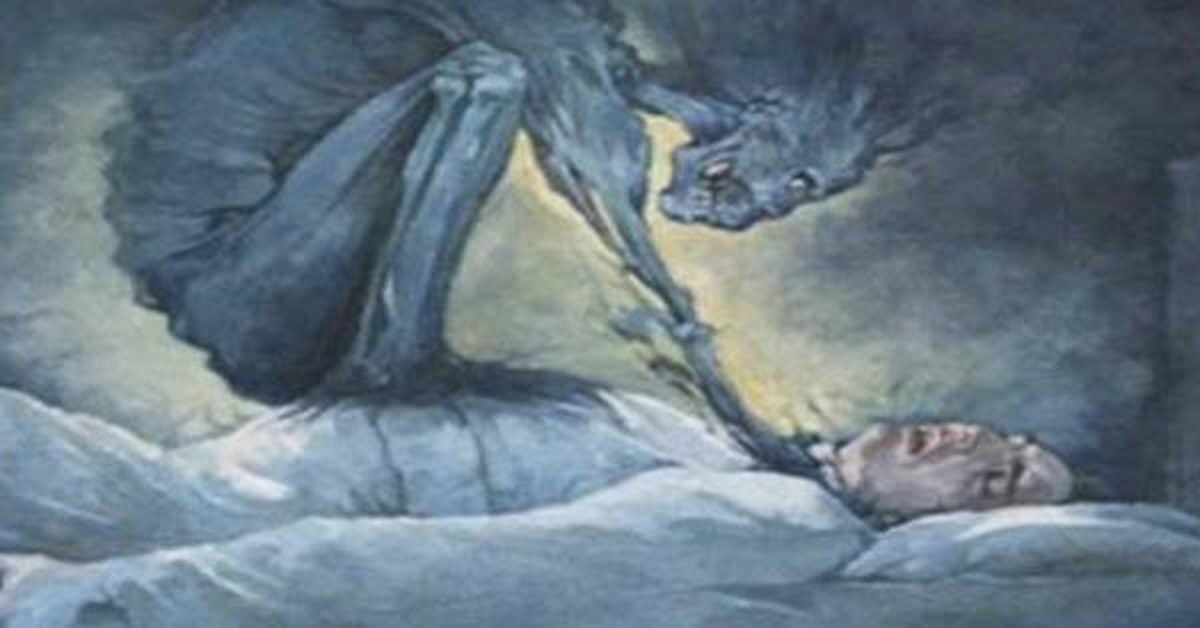
You try to move your hand, scream, or call out for help, but no sound comes out of your mouth. Sometimes, this is accompanied by a sensation that someone else is in the room: a mysterious figure standing beside your bed or a heavy weight pressing down on your chest.
It sounds like a scene straight out of a horror movie, but for many people, this is a completely real experience known as sleep paralysis.
And the most surprising part? You might experience it at least once in your lifetime.

Nearly One in Three People May Experience It
Although many people have never heard of sleep paralysis, it is a far more common phenomenon than usually believed.
According to medical estimates, roughly 30% of people worldwide will experience at least one episode of sleep paralysis during their lives. Some may have already experienced it in the past without knowing how to explain what happened to them.
Sleep paralysis occurs in the boundary states between sleeping and waking—right before falling asleep or upon waking up.
During an episode, the brain is awake and conscious of its surroundings, but the body remains in a sleep state. As a result, the person is unable to move or speak, even though they fully comprehend what is happening around them.
According to medical data from the Cleveland Clinic on sleep paralysis, episodes typically last from a few seconds to a couple of minutes, though in certain cases they can persist for up to 20 minutes.
Why Does the Body Stop Responding?
To understand this phenomenon, one must look at what happens in the body during REM (Rapid Eye Movement) sleep—the stage of sleep where most dreaming occurs.
During this stage, the brain temporarily inhibits the activity of the arm and leg muscles. This is a natural protective mechanism designed to prevent us from physically acting out our dreams.

In sleep paralysis, a mismatch occurs: conscious awareness awakens before the body has fully exited REM sleep.
Put simply: the brain has woken up, but the body is still asleep.
While the person can usually breathe and move their eyes, they cannot move their limbs, sit up, or speak. This sensation can trigger intense fear, panic, and a feeling of utter helplessness.
The Sensation of Someone Standing Beside the Bed
The inability to move is not always the most frightening part.
Many who have experienced sleep paralysis also report vivid, startlingly realistic hallucinations. Some feel a presence in the room, see a dark figure near the bed, or feel convinced someone is watching them.
Others describe the sensation of someone sitting on their chest, difficulty breathing, strange vibrations, out-of-body experiences, or the feeling of being pulled off the bed.
While these sights and sensations can feel entirely real in the moment, they are classified as hallucinations that occur when components of dream activity persist after the mind has already regained environmental awareness.
Why Does It Happen to Certain People?
The exact cause of sleep paralysis is not fully understood, but several factors are known to increase the likelihood of experiencing an episode.
Common risk factors include:
- Sleep deprivation
- High stress levels
- Anxiety
- Extreme fatigue and exhaustion
- Irregular sleep schedules
- Shift work
- Frequent disruptions to sleep routines
The phenomenon can also occur alongside specific sleep disorders, such as narcolepsy and obstructive sleep apnea. It may also be more prevalent among individuals dealing with post-traumatic stress disorder (PTSD) or panic disorder.
For Centuries, People Were Certain It Was Demons
Today, medical science can explain the physiological mechanism behind sleep paralysis, but historically, people tried to comprehend this terrifying experience through very different lenses.
Descriptions of the phenomenon appeared in Persian medical texts as early as the 10th century, and one of the first documented clinical accounts was written by a Dutch physician in 1664.
Across different cultures, supernatural explanations emerged:
- In Chinese folklore - it was described as a form of "ghost oppression."
- In parts of Africa - people believed it was caused by a demon sitting on the sleeping person's back.
- In Japan - the phenomenon (kanashibari) was linked to being bound or constrained by an invisible force.
It is easy to see how these beliefs took root: someone waking up in the dark, unable to move and hallucinating a presence in the room, could easily become convinced that a supernatural event was taking place.
Celebrities Have Shared Their Experiences Too
Sleep paralysis does not spare famous figures.
Swedish artist Jonna Jinton shared that she experienced the phenomenon for the first time at age 16, describing strange vibrations and the feeling of an unexplained force pulling at her.
Swedish singer Zara Larsson has also spoken openly about her frightening encounters with sleep paralysis.
Is Sleep Paralysis Dangerous?
Despite the harrowing sensation, sleep paralysis itself is not considered physically dangerous and causes no bodily harm.
The episode resolves on its own, and full motor control returns within a few seconds to minutes. However, the experience can be emotionally taxing, sometimes leading to dread of falling asleep, anxiety, or daytime fatigue.
When sleep paralysis occurs frequently, disrupts sleep quality, or is accompanied by severe daytime tiredness, consulting a medical professional is recommended. In some cases, the condition may be linked to an underlying sleep disorder that can be diagnosed and treated.
How to Reduce the Risk
While there is no guarantee sleep paralysis will never happen, maintaining healthy sleep hygiene can significantly reduce the risk:
- Maintain consistent sleep and wake times.
- Ensure adequate total sleep hours.
- Manage daily stress and cultivate a calm, dark, and quiet sleep environment.
- Limit exposure to smartphones, computers, and screens before bed.
- Dedicate the final minutes of the day to relaxing activities like reading, taking a warm bath, or listening to quiet music.
What to Do When an Episode Occurs
If you find yourself experiencing sleep paralysis:
- Remind yourself that the experience is temporary, harmless, and will pass shortly.
- Focus on slow, steady breathing rather than fighting against your entire body.
- Try small movements: Attempt to move just a single finger or toe. Often, once a small movement breaks through, full control over the rest of the body gradually follows.
- Partner assistance: A person sleeping next to you can safely interrupt an episode by speaking to you or using a gentle touch. Once fully awake, normal movement returns.
Frightening—But Scientifically Explained
Sleep paralysis is one of those phenomena that can feel entirely supernatural while it is happening.
The darkness, the physical immobility, and the realistic hallucinations can easily lead someone to believe they are in grave danger. In reality, it is almost always just a brief moment where the brain's awareness and the body's motor controls did not wake up at the exact same second.
Recognizing the phenomenon and understanding its biological basis can make an episode far less terrifying—serving as a reminder that the experience is temporary and the body will regain control.
Have you ever woken up unable to move? Let us know in the comments below!