You likely have this spice in your kitchen, but are you aware of its amazing health effects?
|









Before hospitals, doctors, and even manufactured medicines, people had to rely on trial and error to determine whether the plants surrounding them were helpful or harmful.
As time went on, they became experts in using these plants to alleviate a wide variety of aches, pains, and illnesses. And when you think about it, it's quite funny: with all the complex drugs readily available, we are still rediscovering ancient ways to treat medical issues.
Regardless, it is wonderful that we have plants that can perform the same action as complex pharmaceuticals. As the world has become more advanced, we have grown more comfortable. Now, we can take medication even for the slightest pain—even if we don't truly need it.
But not many people are aware that there are natural ways to treat minor discomfort and pains without swallowing pills.

The Unsuspected Power of Nutmeg
We had no idea that nutmeg could be so potent.
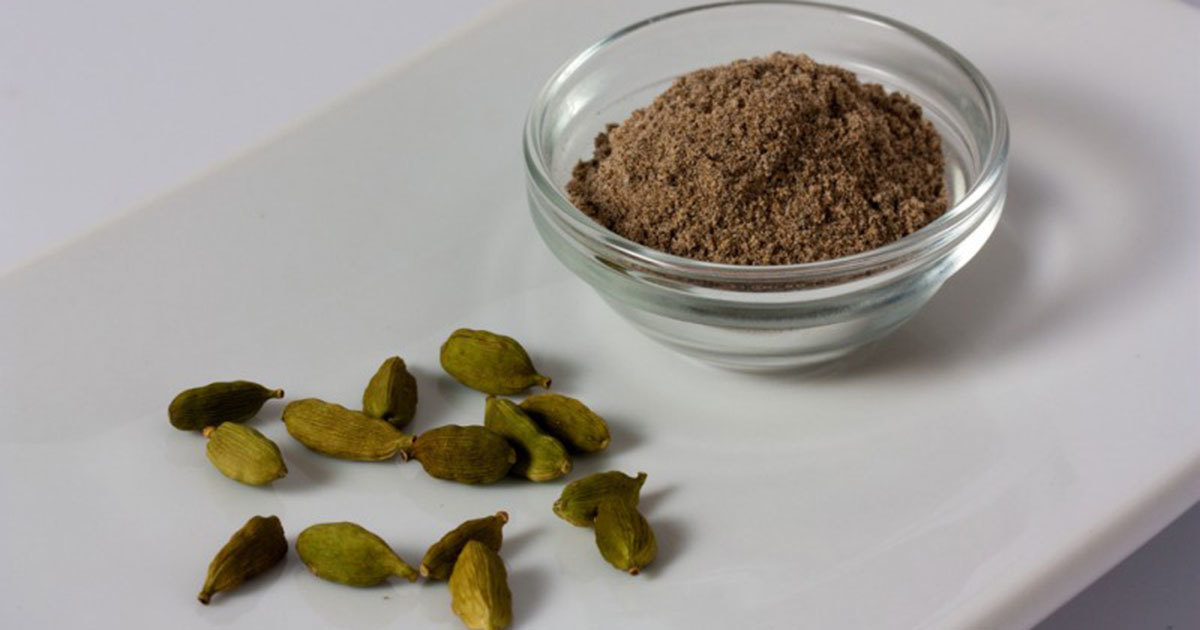
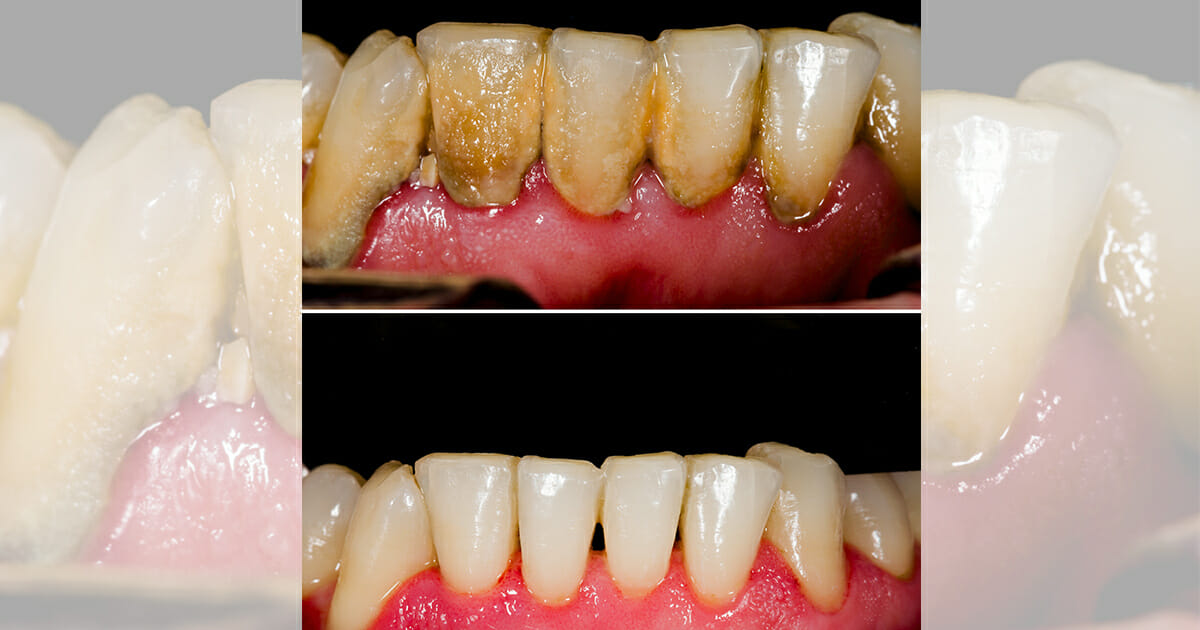
This spice originates in India, where people have used it for many purposes beyond just flavoring food. This is because it contains Eugenol, an excellent component for heart health that also possesses strong antibacterial properties. Nutmeg can eliminate bacteria in the mouth and help prevent cavities.
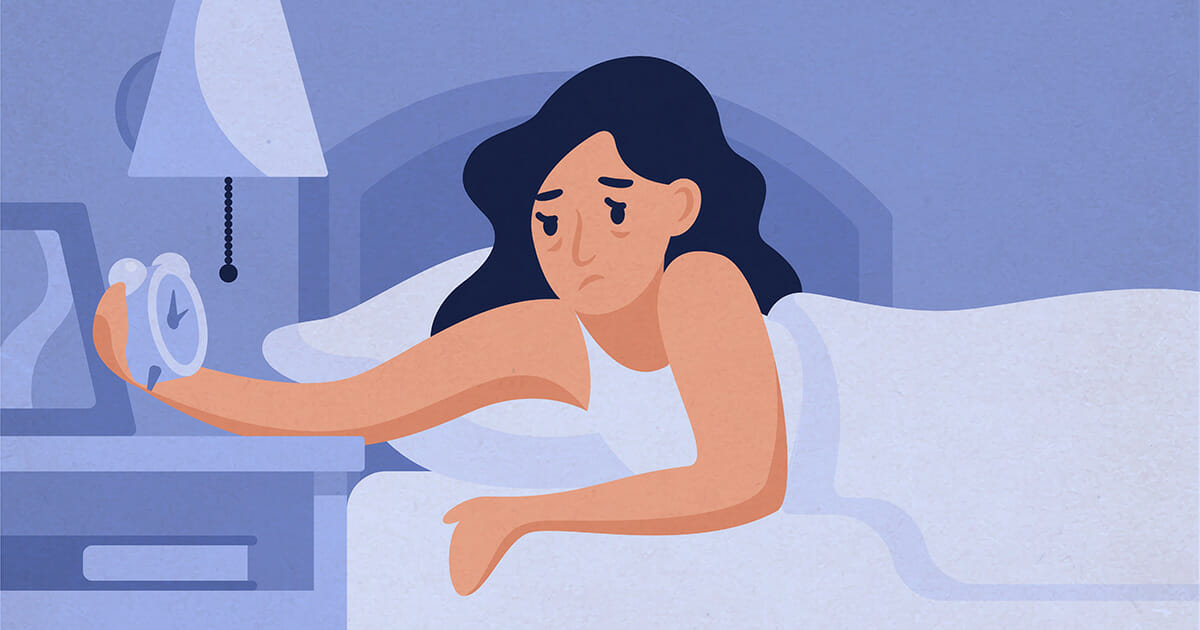
Researchers have found that nutmeg helps alleviate feelings of depression, anxiety, and sleep problems. Some people even claim that nutmeg acts as an aphrodisiac; in an experiment conducted on male rats, the libido of those who consumed nutmeg soared.
In addition, nutmeg aids in treating asthma, inhibits Alzheimer's disease, and is good for digestion.
So, besides adding a wonderful flavor to the dishes we cook, nutmeg can work wonders for your general health.
Traditional Wisdom and Modern Science
The ancient wisdom surrounding nutmeg isn't just folklore. Historically, it was a highly valued commodity in various cultures, used not just for its psychoactive properties but as a reliable digestive aid and nerve tonic. Modern research validates these uses by focusing on the active compounds. Myristicin, the main volatile oil in nutmeg, is believed to contribute to its antidepressant and cognitive-enhancing effects by interacting with neurotransmitters. Furthermore, its traditional use as a sleep aid is linked to its calming and sedative properties, making it a natural choice for winding down before bed.
A Simple Addition to Your Daily Routine
Incorporating nutmeg into your daily life doesn't require complex preparation. A small pinch can easily be added to your morning coffee, oatmeal, or a calming evening tea to reap the benefits. For those seeking better digestion, nutmeg can be lightly grated over soups or stews. Remember that a little goes a long way. By utilizing this readily available spice, you are effortlessly integrating ancient herbal medicine into your modern diet, providing a gentle, natural boost to your mood and overall well-being.

A Word of Caution
Of course, nutmeg is not intended to be a substitute for visiting a doctor if you are experiencing pain. But it certainly won't hurt to consume a little nutmeg to alleviate minor discomfort.
Put some in a cup of tea or a mug of warm milk, or add it to your cooking, and feel its positive effect on your body.
Just be sure not to consume too large an amount of nutmeg—it can cause mild hallucinations.