He ate over 700 eggs in one month - here’s what happened to his body
|









Eggs are one of the simplest, cheapest, and most ubiquitous foods in the world. A morning omelet, a hard-boiled egg in a salad, shakshuka, casseroles, cakes, pastries, or a quick dinner for the kids—they have a permanent spot in almost every household refrigerator.
Yet alongside their simplicity, eggs have long sparked debate. For years, people were told that eggs were "dangerous for cholesterol." Then came voices claiming those fears were overblown, followed once again by warnings, studies, diets, experts, headlines, and tips. In short: this humble food became the ultimate symbol of nutritional confusion.
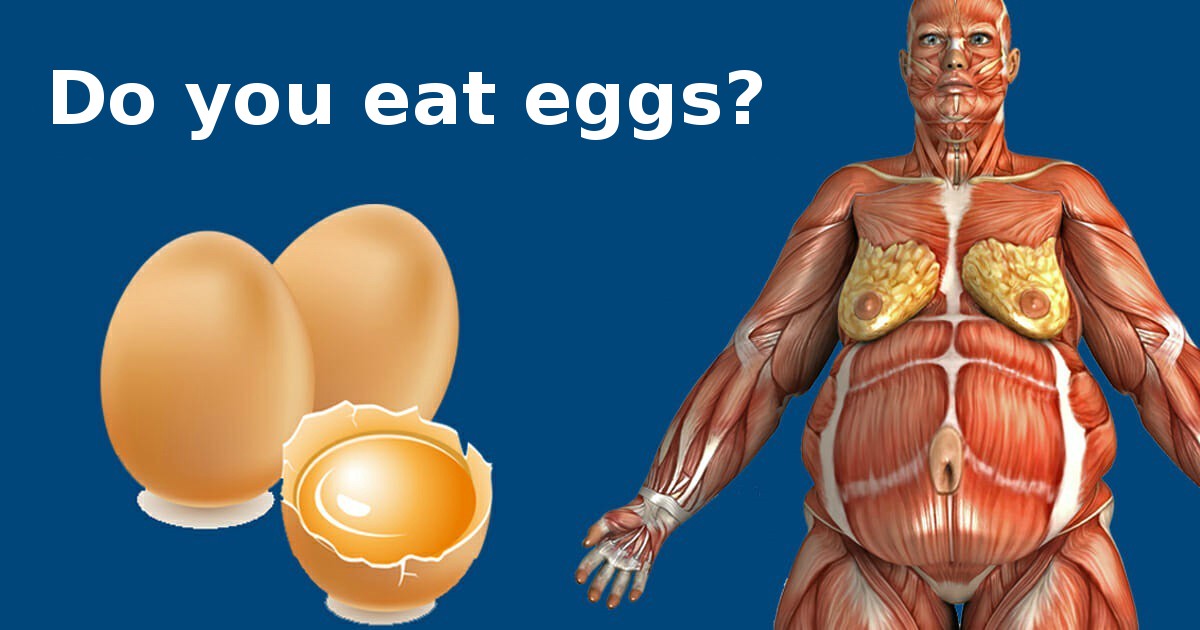
Rather than eating one egg a day, or two, or even five, he decided to run an extreme self-experiment: eat 24 eggs every single day for an entire month. That’s a total of 720 eggs in 30 days.
His goal was to see what would happen to his cholesterol levels—specifically his LDL, often dubbed "bad cholesterol." The results, at least according to the data he published, surprised a lot of people.

24 Eggs a Day
To grasp just how extreme this experiment was, it helps to break down the numbers. 24 eggs a day isn't just a "hearty breakfast." That’s roughly two full egg cartons per day—an average of one egg every hour, around the clock.
Most people would struggle to consume that amount for a single day. Nick Norwitz did it for a full month.
He didn't do it just for a bizarre internet challenge. According to Norwitz, he wanted to test a biological and nutritional premise: does a massive intake of dietary cholesterol from eggs inevitably cause blood LDL levels to spike, or does the human body respond in a more complex way?
His hypothesis was that the increase would not be as dramatic as many expect. And by the end of the month, he claimed the outcome was even more surprising.
What Happened to His Cholesterol?
According to Norwitz, after a month of eating 720 eggs, his LDL levels didn't surge. On the contrary: they dropped. During the first two weeks, the decline was relatively minor, but later, after he added fruit and carbohydrates to his diet, the drop became far more significant.
The original report noted that during the first two weeks, his LDL level dropped by about 2%, and over the following two weeks, it plummeted by an additional 18%. In other words, instead of seeing a massive surge from an enormous intake of dietary cholesterol, he claimed to experience a net decrease.
This is precisely where the story went viral. For decades, eggs were viewed by many as cholesterol's public enemy number one. So how could someone eat 24 eggs a day and actually see their cholesterol drop?
The answer, as always in nutrition, isn't as simple as the headline.
First of All: This Doesn't Mean You Should Try It
It is crucial to state this clearly: the fact that one individual conducted a self-experiment and got a specific result does not mean everyone should eat 24 eggs a day. This was not a large-scale medical trial, a controlled clinical study, or a recommendation from a family doctor.
It is an isolated case study of one person with unique genetics, lifestyle, dietary background, physical activity routine, and baseline health markers. For someone else, the outcome could be entirely different.
Certain individuals are hyper-responders whose blood cholesterol reacts strongly to food. Others have diabetes, heart disease, high cholesterol, a family history of cardiovascular events, fatty liver disease, underlying conditions, or medications that completely change the picture. For them, a test like this could be a very bad idea.
That’s why the story is fascinating—but it isn't a prescription.
Why Doesn't Dietary Cholesterol Always Act How We Expect?
In the past, the logic seemed straightforward: eggs contain cholesterol, blood cholesterol is linked to heart risk, therefore eating more eggs will raise blood cholesterol. Over the years, however, research revealed that human biology is far more complex.
The liver produces cholesterol on its own. When we consume more cholesterol through food, some people's bodies compensate by producing less internal cholesterol. In short, internal regulatory mechanisms exist. Not every milligram of cholesterol ingested converts directly into blood cholesterol.
Furthermore, there is a clear distinction between dietary cholesterol and other dietary factors that influence heart health—such as saturated fat, trans fat, total calorie surplus, carbohydrate quality, dietary fiber, body weight, exercise, smoking, blood pressure, diabetes, and genetics.
Simply put: an egg is not just "cholesterol." And blood cholesterol is not dictated solely by how many eggs you eat.
So, Are Eggs Good or Bad?
The real answer is: it depends on the individual, the quantity, and the overall diet.
Eggs are an excellent source of high-quality protein, vitamins, minerals, healthy fats, and vital nutrients like choline. They are satiating, easy to prepare, and relatively affordable compared to many other protein sources. For the vast majority of healthy individuals, moderate egg consumption fits seamlessly into a balanced diet.
However, "one egg a day is fine" is not the same as "24 eggs a day is a good idea." There is a world of difference between the two.
The issue with viral headlines is their tendency to twist an extreme experiment into a broad rule. One person ate hundreds of eggs and his cholesterol dropped—so, allegedly, eggs can't harm anyone. That is far too broad of a conclusion.
The more accurate takeaway is: eggs aren't the simple villain they were once portrayed as, but they shouldn't be turned into an extreme eating challenge either.
The Role of Carbohydrates in the Experiment
One of the most intriguing aspects of Norwitz's experiment was the shift that occurred during the final two weeks. By his account, during this phase he introduced fruits such as bananas, blueberries, and strawberries to his menu. In other words, his diet did not remain static throughout the month.
He claimed that this addition of carbohydrates influenced his LDL levels and contributed to the sharper drop observed in the second half of the trial. This is a critical point because it serves as a reminder that the experiment didn't test "eggs versus no eggs" in isolation—it also tested a shift in the overall dietary structure.
You cannot look solely at the number of eggs while ignoring the rest of the diet. What else did he consume? How much saturated fat was present? How much fiber? How many carbs? What was his caloric intake? What was his body weight, and how much did he exercise? All of these variables carry weight.
In nutrition, no single food exists in a vacuum. Everything depends on context.
Why Are People So Obsessed With Eggs and Cholesterol?
Because nearly everyone eats eggs, and nearly everyone has heard at some point that they might be problematic. It’s an everyday staple, so any headline about it hits home for millions. If a report claimed tomorrow that cinnamon, coffee, or bread radically altered health outcomes, everyone would click. These are items sitting in our kitchens.
Moreover, cholesterol can be an intimidating topic. Many people receive blood work showing elevated LDL and aren't sure what to do next. Should they cut out eggs? Stop eating cheese? Cut out red meat? Start a prescription? Run more? Eat more oatmeal?
Because the subject is complex, people naturally seek a simple answer. A story about a man who ate 720 eggs and saw his cholesterol drop feels like a dramatic, definitive answer. But cardiovascular health isn't a single-piece puzzle; it's a full picture.
What Is LDL Anyway?
LDL (Low-Density Lipoprotein) is a particle that carries cholesterol through the bloodstream. It is frequently labeled "bad cholesterol" because chronically elevated levels are associated with a higher risk of plaque buildup in the arteries, leading to cardiovascular disease.
Even here, nuance is required: LDL is not "poison." The body depends on cholesterol to build cell membranes, synthesize hormones, and carry out vital functions. The risk arises when specific blood levels remain elevated over extended periods, particularly when paired with secondary risk factors like high blood pressure, smoking, diabetes, excess body weight, family history, or a sedentary lifestyle.
That is why a physician looks beyond a single food item and evaluates the entire picture: age, blood panels, pre-existing conditions, medications, family history, blood pressure, blood glucose, weight, and lifestyle habits.
In other words, you cannot extrapolate what is right for everyone from the story of a single YouTuber—even if he is a physician or a researcher.
Do Eggs Raise Cholesterol in Everyone?
No. For some individuals, eggs have almost zero impact on blood cholesterol. For others, they can cause a noticeable rise in certain markers. Inter-individual variability is significant.
Part of this variation comes down to genetics; another part stems from overall dietary patterns. For example, a hard-boiled egg alongside a large salad, fresh vegetables, and whole-grain bread is fundamentally different from eggs served with heavy butter, bacon, sausages, full-fat cheeses, and deep frying. Often, the issue with a breakfast isn't the egg itself, but everything that accompanies it.
Quantity matters just as much. One egg a day is not equivalent to six eggs a day—and certainly not 24.
Therefore, the better question isn't "Are eggs good or bad?" but rather "How many eggs, for whom, and within what overall diet?"
Why Doesn't His Experiment Prove Eggs Are Harmless?
Because an experiment on a single human being cannot prove a general rule. To determine how a specific diet affects human health broadly, researchers require large-scale studies with control groups, standardized metrics, long follow-up periods, and tight controls over confounding variables.
Norwitz's experiment is interesting, provocative, and highly engaging. It serves as a great conversation starter about cholesterol, liver function, carbohydrates, ketogenic diets, and human metabolic responses. But it is nowhere near enough to declare: "Massive egg consumption is safe for everyone."
There is a world of difference between "this happened to me" and "this holds true for all."
In medical science, that distinction is everything.
What Can We Actually Learn From This Story?
We can learn that the relationship between dietary cholesterol and blood cholesterol is far more nuanced than old guidance suggested. We can learn that the body has built-in mechanisms to regulate its internal processes. We can learn that how eggs impact heart health depends heavily on the broader dietary context.
We can also extract a valuable lesson about media headlines: when an article screams "He ate 700 eggs and this is what happened," we instinctively want to know if it's "good" or "bad." But the real question isn't just what happened to him, but why it happened, what else changed, and whether those results apply to anyone else.
This story shouldn't instill fear of eggs, nor should it encourage unrestricted consumption. Above all, it demonstrates that human nutrition is vastly more complex than old myths implied.
Do Eggs Help With Weight Loss?
Eggs can promote satiety, which is why many people successfully incorporate them into weight management plans. Protein and dietary fats help foster a feeling of fullness, making the egg a compact yet nutrient-dense food.
Once again, context is key. Eating eggs as part of a balanced meal loaded with vegetables, whole grains, or fiber sources is vastly different from consuming large quantities of eggs alongside high-calorie, saturated-fat-heavy items.
Weight loss isn't driven by a single food, but by total energy balance: how much you eat, nutrient quality, activity levels, sleep hygiene, stress management, and long-term sustainability.
Extreme diets make great headlines, but moderate, sustainable habits are what actually yield lasting results.
Are Eggs Good for Building Muscle?
Eggs are a high-quality protein source, making them a staple among fitness enthusiasts and athletes. They deliver essential amino acids, prepare quickly, and pair easily with numerous dishes.
Yet there is no need to overdo it. Anyone aiming to build muscle requires adequate total daily protein, progressive resistance training, sufficient sleep, and appropriate caloric intake. You can source protein from eggs, yogurt, legumes, tofu, cheese, poultry, fish, meat, protein supplements, or any combination tailored to your diet.
Downing dozens of eggs a day is by no means a prerequisite for muscle growth. It is primarily an extreme tactic to capture attention.
For the vast majority of people, a varied diet is far wiser than relying heavily on a single food item in massive quantities.
What About Vegetarians?
For lacto-ovo vegetarians, eggs serve as a very convenient source of complete protein and essential micro-nutrients. They can be especially helpful when meat and fish are excluded, working alongside legumes, dairy, tofu, nuts, and seeds to form a balanced diet.
Even so, vegetarians must keep overall balance in mind. A diet packed with eggs but lacking in vegetables, fiber, legumes, and whole foods still falls short of being truly balanced.
The main advantage of eggs is their simplicity. The drawback is how easy it is to rely on them as a crutch. The human body thrives on variety. As nutritious as eggs are, they cannot replace all other food groups.
What About People With Diabetes or Heart Disease?
This is where caution is paramount. Recommendations for a healthy 25-year-old do not apply to someone managing diabetes, heart disease, hypercholesterolemia, or a family history of cardiovascular events.
Individuals in higher-risk categories should always consult a physician or registered dietitian to determine an appropriate intake. In some cases, moderate consumption is fine; in others, alternative protein sources or favoring egg whites over whole eggs may be advised. It varies significantly by patient.
One thing is certain: an experiment consisting of 24 eggs a day should never be attempted independently by anyone with underlying risk factors.
When managing cholesterol, nothing replaces routine blood work, professional medical oversight, and personalized care.
The Danger of Extreme Nutritional Experiments
The internet is flooded with individuals attempting extreme dietary challenges: carnivore-only, fruitarianism, egg-only diets, prolonged fasting, zero-carb, 30-day single-food challenges, drinking oil, protein overload challenges, and extreme calorie benchmarks. Some approach them scientifically, others do it purely for views, and some genuinely want to push their physiological limits.
The danger lies in what the audience sees: viewers watch the headline result, but rarely see the full medical monitoring behind it. They don't see complete blood panels, how the individual actually felt day-to-day, what side effects emerged, their baseline health history, or what happened months after the video ended.
Even if one person emerges from an extreme experiment without obvious harm, that does not mean the protocol is safe for others.
The human body is not a reality TV show. Not everything that earns clicks is worth trying at home.
Why Moderate Nutrition Is Less Exciting—but Far More Useful
No one clicks enthusiastically on a headline reading: "Man ate balanced meals for a month and felt slightly better." It sounds boring. Yet real health is almost always built on the "boring" basics: plentiful vegetables, adequate protein, quality sleep, regular physical activity, minimizing ultra-processed foods, reducing smoking and alcohol, routine medical checkups, and managing stress.
An experiment involving 720 eggs in a month grabs attention because it is extreme. But most people don't need extremity; they need a sustainable routine they can maintain for years.
An egg or two as part of a nutritious meal? Excellent for many. 24 eggs a day to test liver enzyme capacity? That belongs in a completely different category.
How to Eat Eggs Smarter
If you love eggs, there is no need to panic. You can integrate them simply and healthily: hard-boiled alongside a rich salad, an omelet packed with fresh vegetables, shakshuka loaded with tomatoes and peppers, or paired with whole-grain bread—meals where the egg is one component of the plate rather than the entire meal.
Preparation methods also matter. A poached egg or an omelet cooked with a touch of olive oil isn't the same as an egg fried in heavy butter or served alongside processed meats. A minor adjustment in preparation can make a major difference overall.
If you are managing your cholesterol levels, consider incorporating more egg whites, lowering saturated fat intake, increasing soluble fiber through vegetables, legumes, and whole grains, and tracking how your body responds through routine blood panels.
Don't Forget Food Safety
Eggs are relatively delicate, making proper food handling essential. Always store them refrigerated, discard cracked or dirty eggs, wash hands after handling raw shell eggs, and cook them thoroughly—especially when serving young children, pregnant women, the elderly, or immunocompromised individuals.
Dishes containing raw or undercooked eggs—such as certain homemade sauces, specific desserts, or raw batters—can carry a risk of Salmonella unless pasteurized eggs are used under strict food safety conditions.
It may be less sensational than discussing cholesterol pathways, but fundamental food safety often matters most.
Why Did Norwitz’s Story Go Viral?
Because it directly challenged something people assumed was settled science. For years, the public was warned that eggs spike cholesterol. Suddenly, someone appears, eats hundreds of eggs, runs blood tests, and reveals his cholesterol actually dropped. It's a headline that demands attention.
There's another reason: people love narratives where "conventional wisdom" gets turned upside down. It creates a feeling that secret truth was hidden, that experts were wrong, and that a simple breakthrough has arrived. In reality, scientific understanding rarely flips overnight; it evolves incrementally through rigorous, aggregated research rather than a single viral video.
Norwitz's story doesn’t negate the clinical importance of tracking cholesterol. It simply reminds us that the conversation requires far more nuance.
Does Cholesterol Still Matter?
Yes, absolutely. The fact that dietary cholesterol affects individuals differently does not mean elevated blood LDL levels are harmless. Chronically high LDL remains a well-established primary risk factor for cardiovascular disease.
We can hold two truths simultaneously: moderate egg intake is not a problem for the vast majority of healthy people; at the same time, high blood cholesterol remains a health marker that requires serious monitoring and management.
Anyone with elevated LDL should not take this story as a license to ignore their lab work. On the contrary—use it as motivation to understand what drives your numbers, evaluate your overall dietary pattern, consult a physician, and build a tailored care plan.
The Takeaway
For most healthy individuals, eggs are a great addition to a balanced diet. They are nutritious, filling, and widely accessible. But there is no reason to make them the sole focus of your diet—and certainly no reason to consume hundreds of them a month.
If you enjoy eggs in moderation as part of a varied menu, there is no need to worry. If you manage high cholesterol, diabetes, heart disease, or other risk factors, seek personalized medical guidance.
Above all: never base your personal health strategy on someone else’s extreme internet experiment. Your body is not theirs.
What to Take From the Experiment (Without Copying It)
Take curiosity. Take a willingness to question outdated assumptions. Take the understanding that science evolves and that old blanket rules often require updating. But feel free to leave the plate of 24 eggs behind.
If you are curious about how eggs impact you personally, the smart approach is simple: eat reasonable portions, get baseline blood work recommended by your physician, and track your metrics over time. You can learn how your body responds without pushing it to the edge.
Sometimes the best experiment isn't the most extreme one—it's the one you can conduct safely, sensibly, and sustainably.
Summary of the Experiment
Dr. Nick Norwitz consumed 720 eggs over one month—24 eggs a day for 30 days—to test the physiological impact on his cholesterol. According to his published data, his LDL levels did not spike as widely expected; instead, they decreased—dropping slightly during the first two weeks, followed by a significant decline after he added fruit and carbohydrates during the final two weeks.
The story captured widespread attention because it challenged long-held fears surrounding eggs and dietary cholesterol. It serves as a striking example of metabolic complexity: the liver regulates internal cholesterol synthesis, and what you eat alongside eggs is just as influential as the eggs themselves.
Equally important is understanding what this experiment doesn't prove. It doesn't mean 24 eggs a day is a recommended meal plan. It doesn't mean people with hypercholesterolemia, diabetes, or heart disease can disregard clinical advice. And it doesn't guarantee another individual would experience the same outcome as Nick Norwitz.
Eggs remain an excellent, nutrient-dense choice as part of a well-rounded diet. For most people, moderate consumption aligns perfectly with a healthy lifestyle. As with everything in nutrition, quantity, dietary context, and individual health profiles remain paramount.
So the next time you enjoy an omelet, there’s no need for automatic guilt—just as there’s no need to turn your breakfast into a 720-egg challenge.
Share this story with anyone who still believes eggs are an automatic "cholesterol disaster"—and with anyone who needs a friendly reminder that a viral experiment isn't a lifestyle recommendation.