Doctors reveal: why you should never use cotton swabs to clean your ears
|









For many of us, it has become an almost automatic habit. We step out of the shower, feel a little water trapped in our ears, and immediately reach for a pack of cotton swabs. Cleaning the ears feels like an essential part of good personal hygiene, and we assume we are doing our bodies a favor by removing that yellow wax.
However, medical experts and ear, nose, and throat specialists (ENT doctors) have spent years trying to deliver the exact opposite message: stop putting objects inside your ears. What may seem like harmless cleaning can actually cause serious — and sometimes irreversible — damage.
The Real Purpose of Earwax
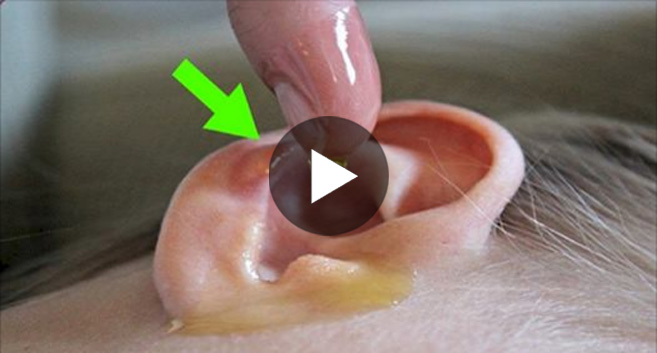
Before understanding why cotton swabs can be harmful, it’s important to understand what earwax actually is. The medical term for earwax is cerumen, and contrary to popular belief, it is not dirt or waste that needs to be removed. In fact, earwax is a vital protective substance produced by the body to keep the inner and middle ear healthy.

Earwax acts as a natural lubricant that prevents the delicate skin inside the ear canal from drying out, cracking, or becoming irritated. Beyond that, it serves as a powerful physical barrier. Its sticky texture traps dust, dirt particles, dead skin cells, and even tiny insects attempting to enter the ear canal.
It also has antibacterial and antifungal properties that help protect the warm, dark, and moist environment inside the ear from infections. Without earwax, our ears would be far more vulnerable to disease and injury.

Why Cotton Swabs Can Be Dangerous
The biggest problem with cotton swabs lies in the anatomy of the ear itself. The ear canal is relatively narrow, and when we insert a swab into it, we work against the body’s natural cleaning system.
While a small amount of wax may stick to the cotton and come out, most of the wax is actually pushed deeper into the ear canal.

Over time, this pressure compacts the wax against the eardrum, creating a hardened blockage known as an earwax impaction. These blockages can interfere with sound waves, causing muffled hearing, a feeling of fullness in the ear, discomfort, dizziness, and sometimes severe pain.
In more serious cases, the buildup can prevent the eardrum from vibrating properly, leading to chronic hearing problems.
Your Ears Clean Themselves Naturally
One of the most surprising facts is that the human ear is designed to clean itself without outside help.
The skin cells inside the ear canal slowly migrate outward, almost like a conveyor belt. Along with old earwax, these cells naturally move toward the outer opening of the ear.
Simple everyday actions such as talking, chewing, yawning, and making facial expressions move the jaw in ways that help push dried wax outward. Once the wax reaches the entrance of the ear canal, it typically falls out on its own or gets washed away during a normal shower.
When we use cotton swabs, we essentially interfere with this natural self-cleaning process and push debris back inside.
The Risk of a Ruptured Eardrum
Beyond wax blockages, there is also the immediate danger of physical injury.

The eardrum is an extremely thin and delicate membrane. Inserting a swab too deeply — or even being bumped unexpectedly while cleaning the ear — can puncture the eardrum.
A ruptured eardrum can cause intense pain, bleeding, ringing in the ears, dizziness, and sudden hearing loss. While some perforations heal naturally, others require surgical repair to restore hearing and prevent long-term complications or recurring infections.
Cotton swabs may also leave behind tiny fibers inside the ear canal, creating an environment where bacteria can grow and trigger painful outer ear infections.
So How Should You Clean Your Ears?
Doctors give very simple advice: “Never put anything smaller than your elbow inside your ear.”
The only cleaning most people actually need is for the outer ear and the entrance of the ear canal. This can easily be done using a damp cloth or soft towel after showering.

If you experience unusual wax buildup, pain, hearing loss, or a blocked sensation, experts strongly recommend avoiding “DIY” solutions. Instead, visit a healthcare professional or an ENT specialist. Doctors have specialized tools that allow them to safely remove earwax using suction, microscopes, or controlled irrigation techniques that do not damage the eardrum.
Protect Your Hearing
Cotton swabs were never designed for cleaning deep inside the ear canal. In fact, most major brands include warnings on their packaging advising consumers not to insert them into the ears.
It may be time to finally take those warnings seriously. Your hearing is far too valuable to risk for a temporary — and misleading — feeling of cleanliness.
Share this information with your friends and family. It’s a simple reminder that could help prevent many unnecessary ear injuries.