Your body warns you before a blood clot: 8 hidden signs that must never be ignored!
|









About 60,000 to 100,000 people in the U.S. die from blood clots every year.
Even though blood clots are common and there are medications to help, many people still lose their lives because they either get help too late or not at all.
Fortunately, there are things we can do to take care of ourselves. By raising awareness and recognizing the signs your body gives you, we can encourage more people to seek treatment early.
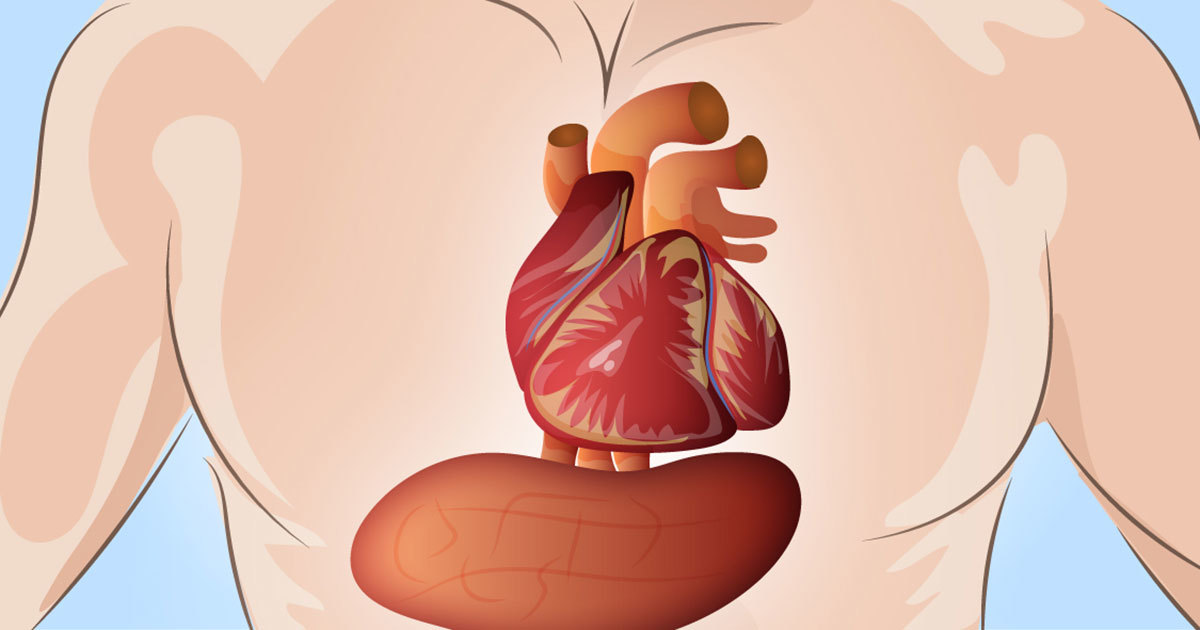
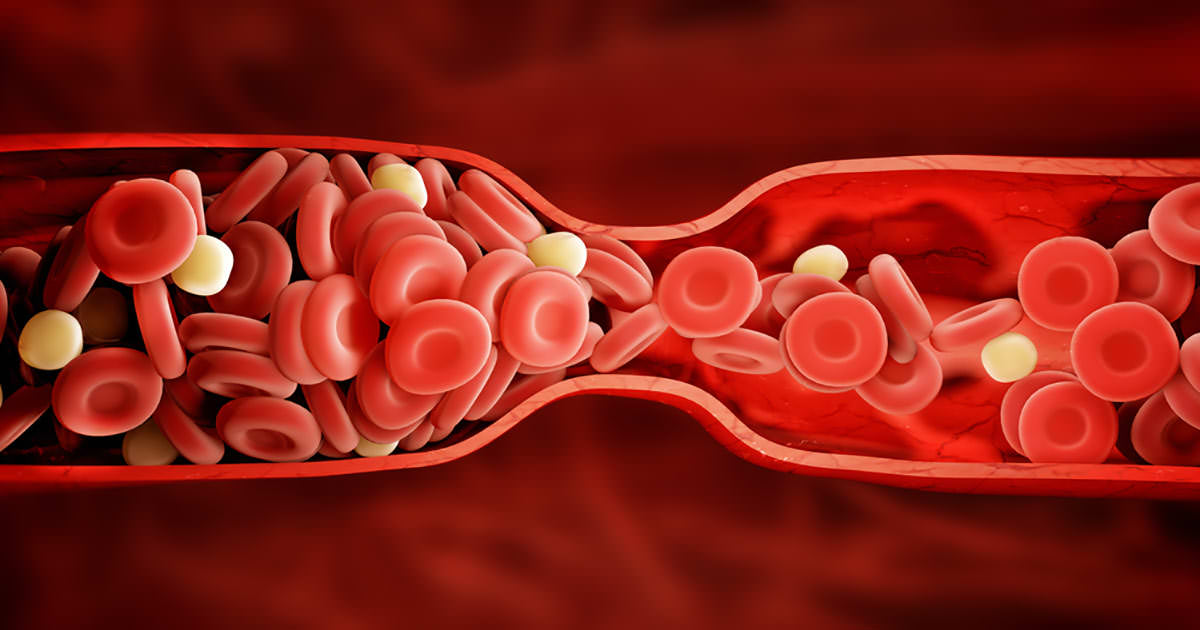
A blood clot happens when blood thickens and blocks the blood vessels, which can disrupt normal blood flow. Bigger clots can lead to heart attacks or heart failure.
Sometimes, it's hard to understand why someone has a blood clot, and the symptoms can be tricky to spot.
That’s why it’s super important to know the warning signs your body gives you so you can get help as soon as you can. Below is a list of 8 signs everyone should know about.
1. Swollen calves
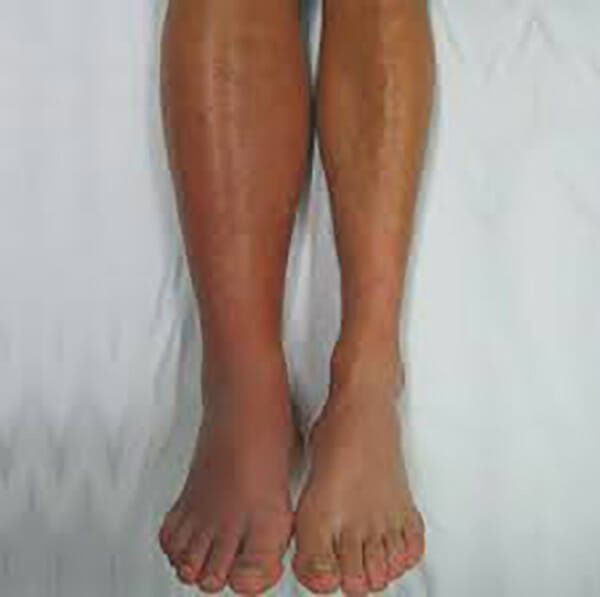
Blood clots can sometimes form in the calves, a condition known as venous thrombosis. This happens when oxygen can't reach vital organs, leading to poor blood flow and swelling in the calves, which is a common sign of blood clots.
In addition to swelling and warmth, the area might also look red or pale when a clot forms.
2. Pain or tenderness in the legs
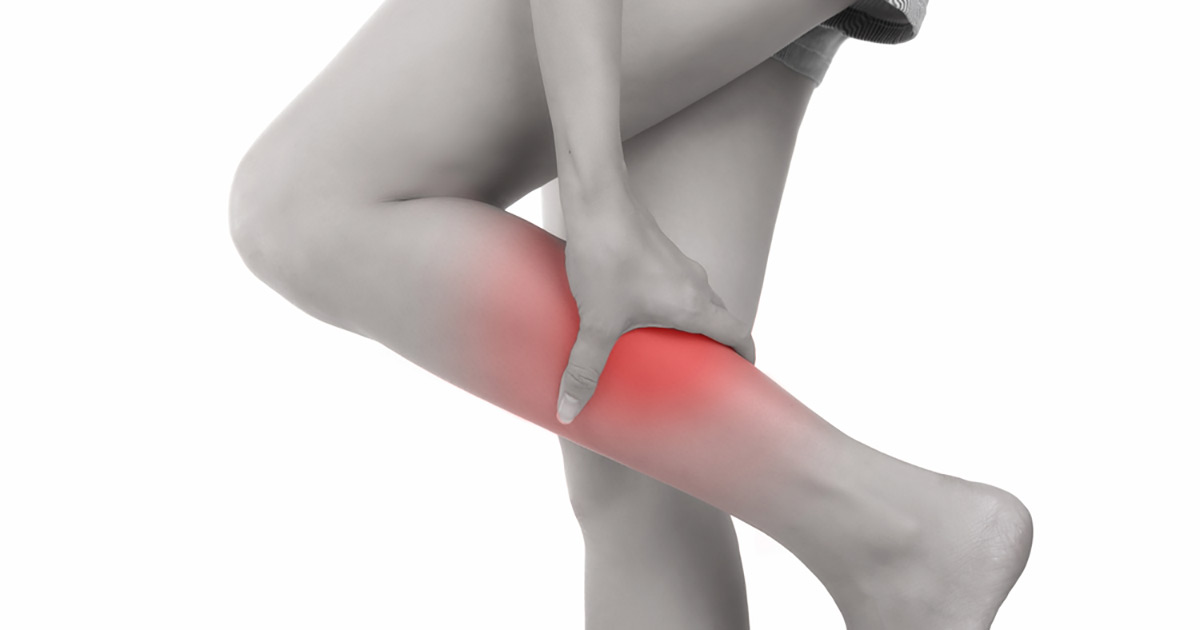
Another common sign is pain in the legs, calves, or feet.
You might feel pressure or a burning sensation when you press on the leg.
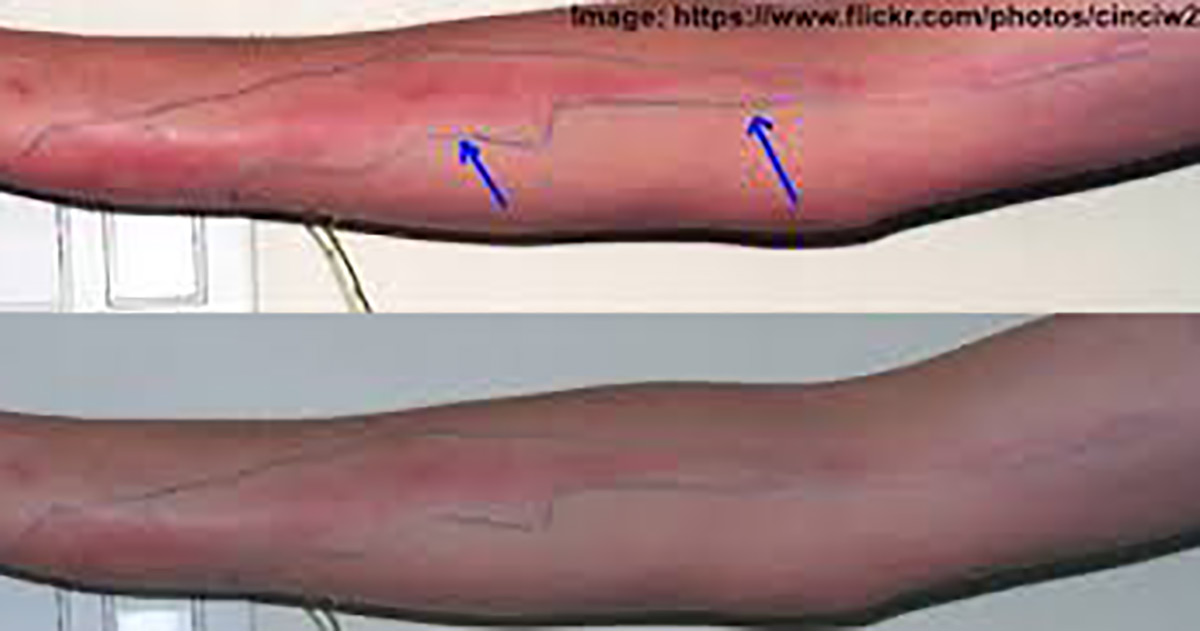
3. Red streaks along the veins
If you notice red streaks along prominent veins, it could be a sign of a blood clot.
These veins might also hurt or feel warm, which are additional signs to be aware of.
4. Chest pain
If you suspect you have a blood clot, see a doctor right away.
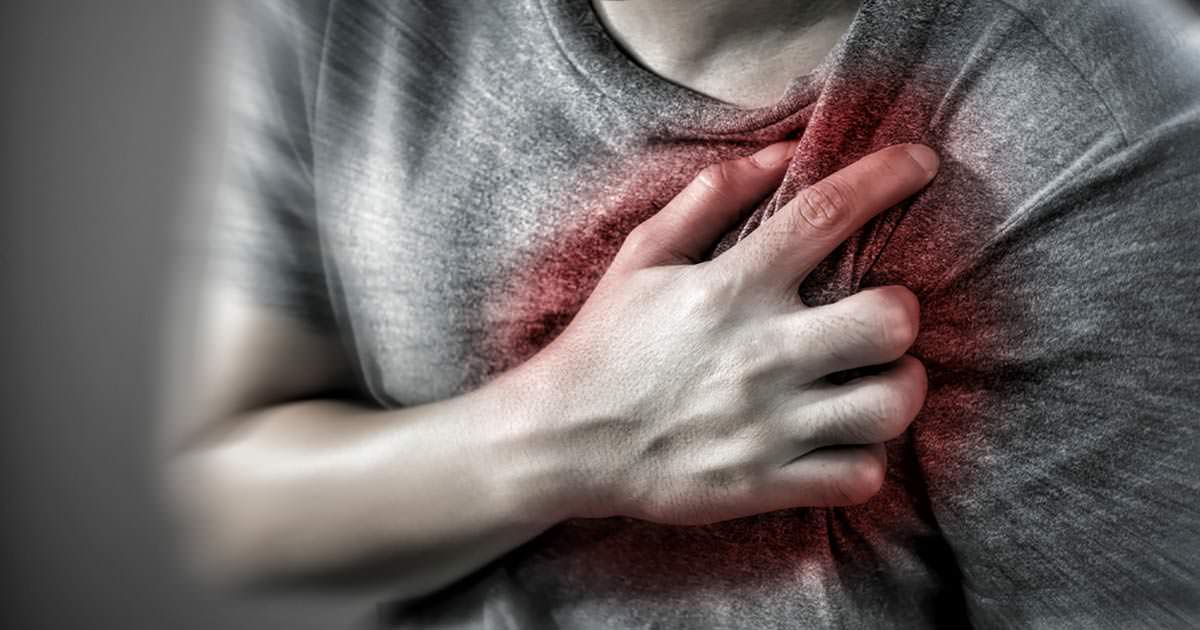
One important sign to watch for is pain that feels like it’s coming from one side of the lungs. You might also feel pain in your chest or back, or pressure in the middle of your chest, which can sometimes be hard to distinguish from other chest pain.
5. Difficulty breathing
Struggling to breathe is a serious sign and shouldn't be ignored. If you notice you're having trouble breathing, your heart rate is increasing, or you feel cold sweats, dizzy, or faint, these could be signs of a blood clot in your chest.
If you're experiencing all these symptoms together, it's a warning sign you shouldn’t ignore. Contact your doctor immediately.

6. Dry cough
If you're not sick but find yourself coughing for no apparent reason, look for other symptoms that could suggest a blood clot in the lungs, like palpitations, chest pain, or breathing difficulties.
In rare cases, you might cough up blood along with phlegm.

7. Vomiting and diarrhea
A blood clot in your gut can cause sharp stomach pains.
You might feel unwell, nauseous, and have diarrhea that could be bloody.

8. Severe headache
A blood clot or brain hemorrhage is called a stroke. It leads to a lack of oxygen in the brain and can cause a severe headache. It can also affect your vision and speech.
Other stroke symptoms include numbness or paralysis (often on one side of the body), confusion, and dizziness.

By recognizing these 8 symptoms, you could help save lives in the future.